A child’s dental emergency does not wait for an open appointment slot. A chipped front tooth before school pictures, a swollen cheek on a Friday evening, a mouthful of canker sores that makes breakfast impossible, or a wire poking after a bracket pops off at soccer practice, parents see these problems in real time. That is where a pediatric walk-in dentist earns their reputation. When a kids dental clinic is set up for same day triage, you get clinical skill paired with fast access and a calm, kid friendly approach. The right children’s dentist knows the pace, the tone, and the techniques that keep small bodies and big feelings safe.
This guide explains how walk-in pediatric dentistry really works, when to go, what to expect, and how to evaluate a pediatric dental clinic under pressure. You will also find practical tips for pain control at home, payment options, and how walk-in care fits into preventive pediatric dental care. I have treated everything from toddler tongue ties to teen sports injuries, and while no two cases are identical, the patterns are reliable. Preparation is part of good parenting, and your plan should include knowing where you can go without an appointment when a problem cannot wait.
What “walk-in” means in a pediatric dental practice
Walk-in means the office has time and systems to accommodate unscheduled visits the same day, often with a triage model. A true pediatric walk in dentist sets aside blocks in the schedule to evaluate urgent needs such as tooth pain, trauma, infection, or lost restorations. Some clinics function as a hybrid family and pediatric dentist, so siblings and parents can also be seen, but the space is tailored for children’s needs.
Not every pediatric dentist advertises walk-ins, yet many quietly accept them. Call ahead if you can, even from the car. It lets the team check insurance, prep instruments, and confirm a pediatric dentist is physically present. If you search “pediatric dentist near me” or “emergency pediatric dentist near me,” look for language like pediatric dental office with same day pediatric dentist, pediatric dentist open on Saturday, or weekend pediatric dentist. After-hours listings that say 24 hour pediatric dentist usually mean on-call triage by phone with a plan to meet at the office or refer to a hospital if needed.
When a walk-in is the right move
Parents often wrestle with whether to wait or go now. Err on the side of evaluation if pain or swelling is escalating, trauma has occurred, or your gut says something is off. That instinct is right more often than it is wrong. Common scenarios that merit a same day visit include:
- Knocked-out or displaced permanent teeth, fractured front teeth with visible pink or red points, or a baby tooth pushed back into the gum after a fall. Facial swelling, gum abscess, or fever with tooth pain. Persistent dental pain that interrupts sleep, school, or eating. Lost fillings, crowns on baby teeth that come off, or a space maintainer that loosens and rubs the cheek. Wire from braces cutting the cheek or a band that has come loose at the gumline.
If you are unsure, call a kids dental specialist for a quick triage. A board certified pediatric dentist or a kids dentistry specialist will ask a few focused questions: Is there bleeding? Can the child close their teeth together normally? Any sensitivity to hot or cold, or pain to chewing? Any swelling under the eye or near the jawline? Answers guide urgency. For example, a knocked-out permanent tooth should be replanted ideally within 30 minutes. A chipped baby tooth with smooth edges and no pain may be safe to monitor for a day or two.
What a pediatric walk-in visit feels like
The pace is brisk but should not feel rushed. A good children’s dental clinic has a predictable flow. The front desk verifies that the pediatric dentist accepts your insurance or Medicaid and checks whether you are a new patient. Pediatric dentist accepting new patients is more than a phrase, it means the back office has your medical history forms ready and the clinical team understands how to set expectations for first-time families. If your child has special needs, tell them upfront. A pediatric dentist for special needs children may modify lighting, sound, and appointment length, or assign a team member trained in behavioral support.
Triage comes first. The dentist for kids will look, not just at the tooth, but the face, neck nodes, and airway. Expect a gentle palpation of the cheeks and floor of the mouth, a quick tap on teeth to localize pain, and sometimes one or two focused x rays. Pediatric dentist for x rays means low-dose, targeted imaging. We avoid full series unless clinically necessary. For toddlers, a knee-to-knee exam may be used. The dentist might demonstrate with a toy mirror to lower anxiety. If your child is nervous, a pediatric dentist for anxious kids uses tell-show-do, distraction, and simple language. I might say, “I’m counting teeth,” not “I’m probing a carious lesion.” It seems small, but words matter.
Managing pain before and during the visit
At home, ibuprofen or acetaminophen can reduce pain and swelling. If a tooth is sensitive to cold, avoid ice water and cold foods. Rinsing with warm salt water can help with gum sores. For a knocked-out permanent tooth, place it back in the socket if you can, or keep it in cold milk. Do not scrape the root. For a broken tooth with a sharp edge, dental wax from a pharmacy or even the soft side of a sugar-free gum can protect the cheek while you travel.
In the chair, numbing is often the biggest worry. A gentle dentist for kids staggers steps: topical jelly that tastes like cotton candy, then a small injection delivered with slow pressure and a wiggle of the lip to distract. Many children do not notice the moment of anesthesia if you avoid loaded words like “needle.” If your child has a previous trauma or severe anxiety, a sedation pediatric dentist may discuss nitrous oxide, oral sedation, or IV sedation, each with specific indications and safeguards. We target painless dentist for kids, but we prioritize safety over promises. Sedation is not a shortcut. It requires medical history review, fasting instructions, and monitoring with a pulse oximeter. For most urgent walk-ins, nitrous oxide suffices to lower the emotional temperature and allow numbness to work predictably.
Common walk-in problems and how we treat them
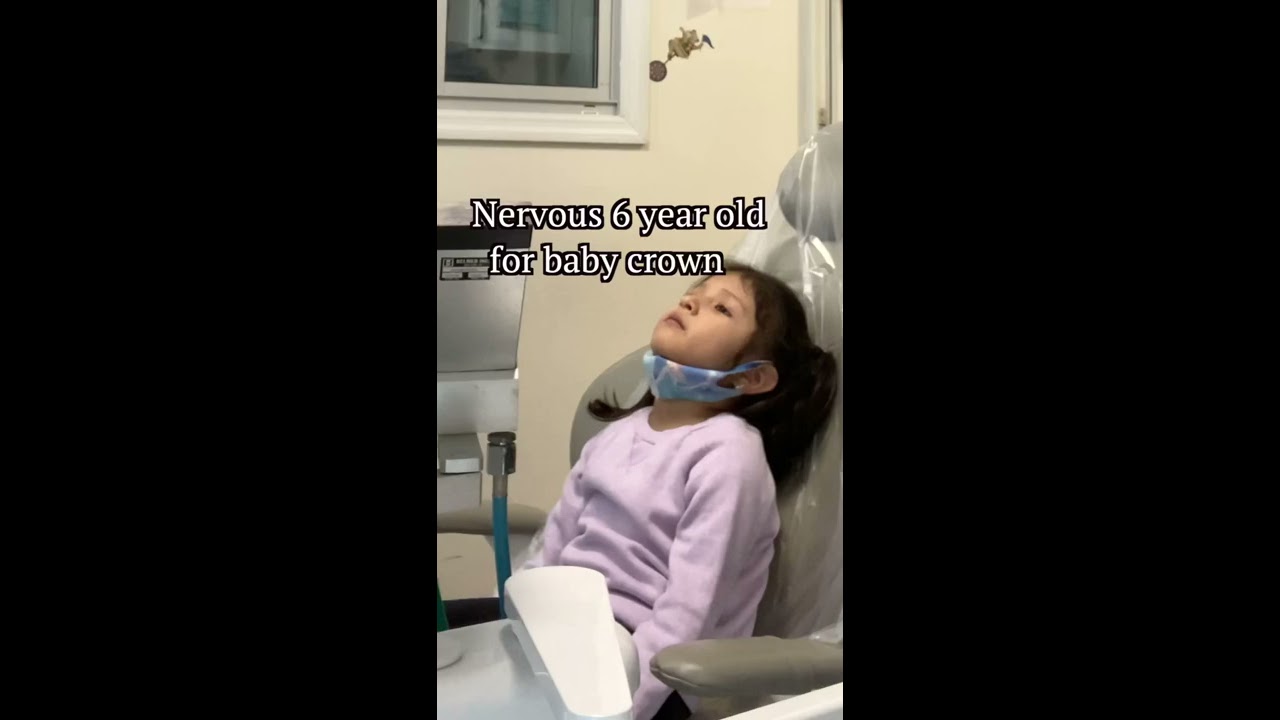
Toothaches in children are often deep cavities in baby molars or food impaction around erupting permanent molars. A pediatric dentist for cavities will remove decay and place a filling. If the cavity undermines a cusp or is very deep, stainless steel crowns on baby teeth provide durability until the tooth naturally exfoliates. In some cases, a pediatric dentist for root canal on baby tooth performs a pulpotomy, removing inflamed pulp tissue from the crown of the tooth and sealing it with a medicated material before placing a crown. This is not the adult root canal you might fear. It is quick and effective for pain relief when the roots are healthy.
Trauma leads the walk-in list. A toddler who trips with a sippy cup can push a baby tooth upward. If the tooth intrudes, we often watch and wait, because baby teeth can re-erupt. If a permanent tooth is knocked out entirely, replantation is urgent. A children’s dental specialist stabilizes the tooth with a flexible splint and coordinates with an endodontist if needed. For chipped teeth, composite bonding blends beautifully in front teeth. If the fracture reaches the nerve, partial pulpotomy with a bioceramic material can preserve vitality, especially in a young permanent tooth that is still forming its root.
Orthodontic mishaps show up on weekends. A bracket off a tooth without pain can usually wait until the orthodontist is open, but a wire poking the cheek is fair game for a pediatric walk-in dentist. We clip the wire, place wax, and call the orthodontist with notes.
Soft tissue injuries bleed more than they deserve to. Lip lacerations that cross the vermilion border may need sutures for alignment. Tongue cuts can look scary, but most small ones heal without stitches if the edges lie together when the tongue is at rest. If you suspect a tongue tie or lip tie evaluation, those are not urgent except in newborn feeding problems. Pediatric laser dentistry can release ties with precision when appropriate, but we rarely do this in a walk-in emergency visit unless breastfeeding is severely impaired and the infant is cleared medically.
Abscesses range from a small gum pimple to a swollen face. Drainage and antibiotics can stabilize the child, but definitive treatment follows soon after. A pediatric dentist for tooth extraction may remove a non-restorable baby tooth, then place space maintainers to keep future room for the permanent successor. If the infection threatens the airway or your child looks ill, go to an emergency room. A 24 hour pediatric dentist on call will tell you the same. We can manage dental infections in the office, but we affordable New York pediatric dentist do not gamble with deep space infections or dehydration.
How walk-in care fits with preventive pediatric dentistry
Walk-ins treat the urgent problem; they do not replace routine care. Kids who come only when something hurts will likely see more needles and extractions over time. A pediatric dentist for preventive care sets a rhythm: the first pediatric dental visit by age one or within six months of the first tooth, then regular recall every six months on average. We scale up frequency if your child’s risk is high. Cleanings, fluoride varnish, and dental sealants are low-cost, high-return tools. Sealants on permanent molars can reduce cavity risk in those deep grooves by half or more. Fluoride strengthens enamel, especially in newly erupted teeth where the outer shell is still maturing.
Parents ask, how often should kids go to the dentist? The safe range is six months for routine care, three to four months for kids in braces or children who build plaque quickly or have a history of cavities. If your child needed emergency pediatric dentist care for a big cavity this year, plan shorter intervals next year. A pediatric dentist for dental checkup will tailor the schedule.
The behavioral side: making a tough day easier
Children read your face. If you walk in anxious and apologetic, they feel it. I coach parents to use confident, simple language. “The dentist will fix the tooth so it feels better,” lands better than, “I’m so sorry, this will be scary but you’ll be brave.” For young kids, the first dentist for baby is mostly about positive associations. Even during a walk-in, we can protect that relationship by avoiding threats, promising no pain we cannot guarantee, and choosing age-appropriate explanations.
For neurodivergent children, especially a pediatric dentist for autism or sensory processing differences, predictability reduces stress. If you can, bring noise-canceling headphones, a favorite fidget, and a written sensory profile. Ask whether the clinic has a low-sensory operatory with dimmable lights. A pediatric dentist for special needs often uses visual schedules, shorter visits, and desensitization. Sedation can help, but it is not the only tool. I have completed urgent care for a nervous child by letting them hold the suction, counting breaths together under nitrous, and narrating each step with tactile cues rather than bright lights and rapid speech.
Imaging, lasers, and biologic choices
Parents increasingly ask about radiation, materials, and holistic options. A pediatric dentist for x rays uses digital sensors with low radiation and collimated beams. We take images only when they inform a decision, not because a schedule says it is time. For small cavities between baby molars, bitewings are often the only way to see them.
Pediatric laser dentistry can reduce bleeding for soft tissue surgeries and sometimes help with canker sores or lip frenectomies. Lasers do not replace the drill for most cavities in kids, though they can help in select enamel spots and with desensitization.
If you want a holistic pediatric dentist or biologic pediatric dentist approach, discuss materials. Glass ionomer cements release fluoride and bond well in moist environments, helpful for wiggly toddlers. Composite resins look great in front teeth. Stainless steel crowns remain workhorses for back baby teeth because they are durable under chewing forces.
Scheduling, weekend and after-hours access
Life happens outside business hours. Clinics that advertise pediatric dentist open on Saturday or pediatric dentist open on Sunday usually run shorter days for true urgent needs, not full cleanings and elective whitening for teens. Expect triage and stabilization, with follow-up on weekdays. If you see “pediatric walk in dentist” on a clinic window, still call from the parking lot when you arrive. It lets the team prepare a room, especially if they need to position a papoose board for a toddler extraction or set up nitrous for a teen with dental anxiety.
A 24 hour pediatric dentist near me search will usually list hospital dental services or on-call pediatric dentists who coordinate care via phone after hours, then meet you first thing in the morning. If your child has a rapidly spreading infection, difficulty swallowing, drooling, or breathing changes, go directly to an emergency department. Those symptoms shift the problem from dental to medical.
Cost, insurance, and what “affordable” looks like in urgent care
No parent wants to bargain-shop during a meltdown. Still, affordability matters. A truly affordable pediatric dentist designs treatment with staged options, uses durable materials appropriate for kids, and communicates costs upfront. Many pediatric dental practices offer pediatric dentist payment plans for larger procedures. If you have dental insurance, ask whether the pediatric dentist that takes insurance you carry is in-network. Medicaid coverage for children is robust in many states. A pediatric dentist that takes Medicaid can dramatically lower out-of-pocket costs for extractions, fillings, and preventive services.
For families without coverage, ask about a discount for paying at the time of service. Some clinics have in-house membership plans that reduce fees for exams, cleanings, fluoride, and x rays, then offer a percentage discount on restorative care. If you are cash-strapped, tell the office manager your priorities. For example, today, my child needs pain relief and a temporary fix. Next month, we can return for the definitive crown. That honesty helps us sequence care compassionately.
What to bring and what to say when you arrive
Information shortens the path to treatment. If your child has asthma, bring the inhaler. If they take daily medications, know the names and doses. If they have a heart condition, a bleeding disorder, or a history of fainting, tell us upfront. For toddlers and babies, bring an extra pacifier and a comfort item. For teens, bring the name of their orthodontist and a recent photo so we can match color shades for a chipped tooth.
If you need language support, ask for it. A pediatric dental clinic that routinely sees walk-ins should have translation access by phone if not on-site. If your child has a dentist for children they see regularly, but you are at a different clinic for an urgent issue, permission to share records speeds continuity. Good offices send a visit summary to your home practice by default.
First visits for babies and toddlers, even without an emergency
Walk-in practices often become the first dentist for baby by circumstance. A parent notices a brown line on a front tooth, a bump on the gum, or a lip tie that makes nursing difficult. A baby dentist or toddler dentist can evaluate without making it a high-stress event. The exam is brief, usually knee-to-knee with the parent, and includes brushing instruction, diet pediatric dentist NY coaching, and fluoride varnish if appropriate. We talk frankly about bottles in bed, frequent snacking, and sticky carbs that cling to enamel. If you wondered when should kids see the dentist, the answer is earlier than most expect. By age one, we can catch early decay, enamel defects, and habits like thumb sucking before they reshape the bite. A pediatric dentist for thumb sucking problems will not scold. We use habit charts, positive reinforcement, and, only when needed, gentle habit appliances.
Teens, sports, and the cosmetic conversation
By middle school, sports injuries dominate weekend walk-ins. A mouthguard would have prevented many fractures. If your teen plays contact sports, the kids dental specialist can fabricate a custom guard. It fits better than a boil-and-bite and is more likely to be worn. If a tooth chips, we match shade with composite. If whitening is already part of the plan, do not whiten before bonding a front tooth. Whitening changes enamel shade and makes color matching harder. If your teen asks about cosmetic improvements, a pediatric dentist for teeth whitening for teens will evaluate enamel defects, gum health, and orthodontic status before recommending anything. Good pediatric dentists know when to refer to a pediatric dentist for braces referrals so that bite and aesthetics align.
How to evaluate a walk-in pediatric dentist quickly
You do not have hours to research when a lip is bleeding. Still, a few signals tell you whether you are in the right place.
- The front desk asks the right questions fast, including allergies, pain level, and swelling. They do not bury you in forms before a clinician looks at your child. The operatory looks clean and organized. The team uses eye protection for your child and explains steps at the child’s level. The dentist offers options, not ultimatums, and explains the short-term fix versus the definitive plan. They check your comfort before proceeding with numbing or imaging. Consent is a conversation, not a signature. If sedation is discussed, they review risks, monitoring, and alternatives without pressure.
If any of these are missing, it is reasonable to ask for clarification or step back. A best pediatric dentist or top rated pediatric dentist earns those labels by blending technical skill with transparent communication, not by pushing speed over safety.
Aftercare and preventing repeat emergencies
What happens at home matters as much as what happened in the chair. If your child had numbing, remind them not to chew their lip while it is numb. It sounds obvious, but self-inflicted lip bites are the most common post-visit phone call. If a tooth was splinted after trauma, baby it for a few weeks. Soft diet, no biting into apples, and careful brushing around the area. If antibiotics were given, finish the course unless the dentist advises otherwise.
Schedule the follow-up before you leave. Pediatric dentist for cleaning and pediatric dentist for fluoride treatment should be back on the calendar. If your child had a baby tooth extracted due to decay, ask about fluoride varnish at the next visit, and consider dental sealants on newly erupting molars. Prevention is cheaper, easier, and kinder than emergency care, even with the most gentle kids dentist near me.
Building a relationship before you need it
If you have the luxury of time, identify a child friendly dentist near me who accepts walk-ins before an emergency. Visit the children’s dental office for a routine checkup. See how your child responds to the environment. Read pediatric dentist reviews with skepticism for extremes and attention to how the staff handles nervous children. Ask whether the clinic offers a pediatric dentist consultation for parents who want to plan the first visit. A pediatric dental practice that welcomes questions and offers flexible scheduling is the one you want on speed dial.
For families with complex needs, such as a pediatric dentist for infants and toddlers with cardiac conditions or a pediatric dentist for special needs requiring hospital dentistry, ask about hospital privileges. If general anesthesia becomes necessary for extensive work, you want a dentist comfortable operating in that setting with a pediatric anesthesiologist.
Final thoughts from the operatory
Walk-in care for kids sits at the intersection of urgency and empathy. On a busy Saturday, I have smoothed a jagged front tooth for a second grader who fell on the playground at 10 am, drained an abscess for a kindergartner by noon, clipped an orthodontic wire for a high school midfielder at 2 pm, and reassured an exhausted parent with a teething toddler at 3. In each case, the fix was technical. The outcome, though, depended on connection. The child who leaves saying, “That wasn’t so bad,” is more likely to return for preventive care. That is the real win.
If you are searching for a kids dentist near me or a children’s dentist near me because something cannot wait, go. If you can call first, do. Keep a small home kit with dental wax, acetaminophen or ibuprofen, and the number of a pediatric dentist that takes insurance or Medicaid if you use it. Know which clinics are open on weekends. And when the dust settles, return for routine care. A strong relationship with a kid friendly dentist near me turns emergencies into episodes rather than patterns. It is the most practical path to healthy smiles and calmer Saturdays.
📍 Location: New York, NY
📞 Phone: +12129976453
🌐 Follow us: